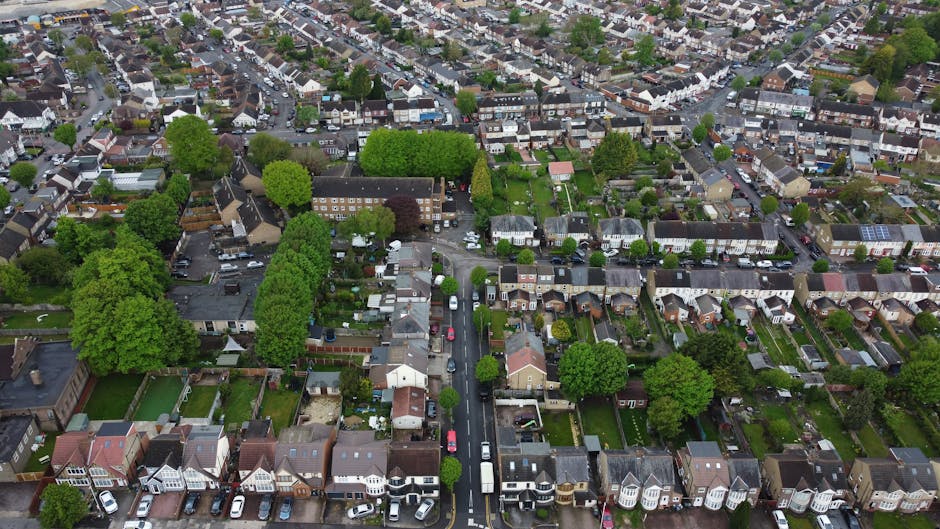
Thornton Heath Pond gardeners for patios and borders
If your patio looks tired and your borders are fighting a losing battle, you are not alone. Many gardens in and around Thornton Heath Pond have the same story: a paved area that needs structure, planting that needs breathing room, and borders that should look deliberate rather than left behind. Thornton Heath Pond gardeners for patios and borders can help turn that mixed picture into something calmer, greener, and far easier to live with.
This guide explains how patio and border gardening works in practical terms, what a good result should look like, and how to decide whether you need a light tidy-up, regular maintenance, or a fuller garden refresh. We will also cover common mistakes, useful methods, and a realistic checklist so you can judge the work properly. Let's face it, a garden should feel enjoyable, not like another job on the weekend list.
Why Thornton Heath Pond gardeners for patios and borders Matters
Patios and borders work best when they are treated as one connected space. The paving sets the tone; the borders soften it. Without that balance, a patio can feel hard and exposed, while borders can end up looking cramped, overgrown, or oddly detached from the rest of the garden. In a busy local setting, where gardens are often compact and overlooked by neighbouring homes, that balance matters even more.
Good garden work here is rarely about dramatic transformations alone. More often, it is about getting the small decisions right: how wide a border should be, where plants will get sun, how much room paving needs to breathe, and whether the planting scheme can handle the site conditions. A thoughtful gardener spots those details early. That saves time, and usually money too.
There is also the simple matter of upkeep. A patio framed by well-managed borders feels cleaner, easier to sweep, and more inviting through the seasons. A border with the right plant structure does not collapse into the paving after one wet week. It stays tidy enough to look cared for without needing constant fuss.
If you are considering broader work, it can help to look at the bigger picture through the full range of garden services or explore landscape gardening support when the layout needs more than just maintenance.
How Thornton Heath Pond gardeners for patios and borders Works
The process usually starts with observation. A good gardener does not rush in with the first pair of shears they can find. They look at light, drainage, access, existing planting, edge definition, and how the patio is actually used. Is it a morning coffee spot? A path to the back gate? A place where the children run through, leaving damp footprints and the occasional muddy leaf trail? That changes the plan.
From there, the work is usually split into three layers:
- Patio care - cleaning, weed control, joint maintenance, edging, and checking the surrounding hard landscaping.
- Border shaping - cutting back plants, removing dead growth, improving soil surface, and restoring a clear edge.
- Planting balance - choosing or maintaining shrubs, perennials, grasses, and seasonal colour so the border supports the patio rather than fighting it.
The best results come when those layers are handled together. A spotless patio can still look awkward if the border is messy. Likewise, a beautiful border can lose its impact if paving is stained, weed-ridden, or poorly edged. The trick is coherence.
In some gardens, this work is part of wider maintenance. In others, it sits alongside broader improvements such as regular garden maintenance, landscaping changes, or even decking services if the paved area needs a more usable structure.
Key Benefits and Practical Advantages
People often think of patio and border work as cosmetic. That is part of it, sure. But the real benefits are more practical than that.
- Less maintenance stress - Clear borders and well-kept paving are easier to look after week to week.
- Better use of space - A neat edge can make a small garden feel noticeably larger.
- Improved drainage awareness - Border planning and patio edging can help avoid water pooling where it causes mess.
- Healthier plants - Plants with enough room, light, and soil depth are more resilient.
- Stronger first impression - Even a modest garden looks more intentional when the hard and soft landscaping work together.
- Safer movement - Removing trip hazards, awkward overhangs, and slippery debris is not glamorous, but it matters.
There is another benefit people underestimate: confidence. Once the patio and borders are under control, you start using the space again. You sit out more. You notice the scent of damp soil after rain, or the way evening light hits the planting. Small thing, maybe. But it changes how a home feels.
If overgrown borders are swallowing the space, a proper tidy may begin with garden clearance before the finer shaping starts.
Who This Is For and When It Makes Sense
This kind of work suits more people than you might think. It is not just for larger gardens or people who want a full redesign.
- Homeowners with busy lives who want a garden that stays manageable.
- Landlords and letting agents who need outdoor areas to look presentable quickly and reliably.
- Families who want a patio area that can handle daily use without looking neglected.
- Older homeowners who prefer low-fuss planting and clear, accessible edges.
- Anyone preparing for a sale or rental refresh and wanting the garden to strengthen kerb appeal.
It also makes sense when the garden feels "nearly there" but not quite right. You know the sort of thing: the patio is fine, the borders are fine, but together they somehow still look unfinished. That is usually a design and maintenance gap, not a total failure. Happily, it is fixable.
If you are comparing different kinds of help, it can be useful to read about the team's approach on the about us page and check pricing and quotes before you commit.
Step-by-Step Guidance
Here is a straightforward way to approach patio and border improvements without overcomplicating the job.
- Assess the space honestly. Look at the patio, the border depth, plant health, weed pressure, and where the garden feels cramped.
- Decide the outcome. Are you after a tidy-up, a seasonal refresh, or a more complete layout change?
- Clear the clutter first. Remove dead material, loose pots, broken edging, and anything that stops you seeing the bones of the space.
- Define the edges. Straight, flowing, or curved edging should suit the layout and make sense from the patio viewpoint.
- Rework the border structure. Use plants of different heights so the border has depth instead of a flat wall of leaves.
- Clean and finish the patio. Sweep, treat weeds, check joints, and make sure the hard surface looks cared for.
- Review access and upkeep. If the garden is hard to reach or awkward to maintain, simplify the design now rather than later.
A neat little rule: if the patio is where you stand and the border is where you look, both should earn their place. Neither should dominate the other. Bit philosophical, perhaps, but it works.
If shrubs or small trees are interfering with light and space, some gardens need hedge trimming or even tree lopping and removal to restore balance safely.
Expert Tips for Better Results
After plenty of garden jobs, a few practical habits stand out. They are not flashy, but they make a difference.
- Use border depth wisely. Very shallow borders often dry out fast and look cramped. A slightly deeper border can hold structure much better.
- Mix evergreen and seasonal planting. Evergreens stop the patio view from going bare in winter, while seasonal plants keep it lively.
- Keep an eye on scale. Small patios can be overwhelmed by oversized plants. Conversely, tiny planting can look weak beside wide paving.
- Edge with purpose. A crisp edge between paving and soil is one of those tiny details that instantly lifts the whole space.
- Think about sightlines. What do you see from the kitchen window, the back door, or the seating area? Start there.
In our experience, one of the best ways to improve a patio area is simply to stop the planting from creeping into it. Sounds obvious. It often is. But gardens have a funny habit of ignoring obvious things until someone finally trims them back.
When the work needs a more structural approach, landscape gardening can help align layout, planting, and long-term usability rather than just doing a quick tidy.
Common Mistakes to Avoid
Most patio-and-border problems are not dramatic. They are cumulative. A little neglect here, a hasty planting choice there, and suddenly the whole area feels off.
- Choosing plants for looks alone. Pretty plants that hate the site will become a headache.
- Making borders too narrow. This leaves roots crowded and maintenance awkward.
- Ignoring patio drainage. If water sits on the paving after rain, the problem will not disappear on its own.
- Letting edging disappear. Without a clear boundary, soil and mulch drift onto the patio and weeds follow close behind.
- Overcomplicating the design. Too many plant types, too many colours, too many textures. It can end up noisy.
- Skipping seasonal maintenance. Even the best border needs a proper reset now and then.
Truth be told, a lot of disappointing garden spaces are not badly designed, just badly maintained. That is actually good news, because maintenance can be corrected without starting from scratch.
And if the area has become very congested, a one-off tidy followed by sensible aftercare may be the smartest route.
Tools, Resources and Recommendations
You do not need a truck full of specialist kit to keep a patio and border looking good, but the right tools matter. The basics are simple enough.
- Sturdy hand fork and trowel for planting, lifting weeds, and working around roots.
- Sharp secateurs for clean pruning cuts.
- Border spade or edging tool for restoring crisp lines.
- Good broom and stiff brush for patio debris and loose soil.
- Wheelbarrow or trug for clearing cuttings without making endless trips.
- Mulch or soil improver to refresh tired borders, where appropriate.
For many households, the best resource is simply a sensible maintenance plan. That might mean monthly attention in peak growing season and lighter check-ins through winter. The point is consistency. Not perfection. Nobody needs to be a garden monk about it.
It is also worth thinking about sustainability. Reusing healthy organic material, reducing unnecessary waste, and choosing plants suited to local conditions all help. If that matters to you, take a look at recycling and sustainability for the wider approach.
Law, Compliance, Standards, or Best Practice
For domestic garden work, the most relevant guidance is usually about safety, waste handling, and good workmanship rather than heavy regulation. That said, the basics still matter.
Professional gardeners should work carefully around power tools, trip hazards, uneven paving, and plant material that may irritate skin or eyes. If a job includes heavier pruning or tree work, it should be done with proper regard for risk and access. On residential properties, it is also sensible to check that the work will not create nuisance issues such as blocked drainage, unstable edges, or debris on neighbouring paths.
Best practice usually includes:
- clear communication before work starts,
- careful handling of tools and cuttings,
- safe disposal or recycling of green waste where possible,
- respect for boundaries and access routes,
- reasonable care around hard landscaping, fences, and existing planting.
If you want reassurance about how a provider approaches these matters, it is sensible to review health and safety policy, insurance and safety, and the general terms and conditions. Plainly put, it is always better to know what standard of care you are paying for.
Options, Methods, or Comparison Table
If you are not sure what kind of work your patio and borders need, this quick comparison may help.
| Approach | Best for | Typical outcome | Watch out for |
|---|---|---|---|
| Light tidy and edging | Gardens that are mostly under control | Cleaner patio lines and neater border definition | It may not solve deeper planting or drainage issues |
| Seasonal border reset | Spaces that look tired after strong growth or winter damage | Better structure, healthier plant spacing, refreshed appearance | Needs follow-up care to stay sharp |
| Full layout improvement | Patios and borders that feel awkward or overcomplicated | More usable outdoor space and a stronger overall design | Takes more planning and usually a bigger budget |
| Maintenance-only approach | Well-settled gardens needing ongoing care | Consistency, tidiness, and fewer surprises | Won't rescue a poor layout on its own |
If you are sitting on the fence, a maintenance-first approach is often the safest starting point. Then you can see what still needs changing after the obvious issues are sorted. No drama, just sensible sequencing.
Case Study or Real-World Example
Consider a modest back garden with a paved patio, a tired border along one side, and a small hedge leaning into the light. Nothing outrageous. Just one of those spaces that always looked as if it was "almost done". The patio was usable, but the edge was blurred by soil spill, the border plants were uneven, and the hedge made the area feel darker than it needed to be.
The first stage was clearing back dead growth and restoring the edge between paving and border. That alone changed the look. The patio suddenly felt wider. After that, the planting was thinned, a few congested shrubs were removed, and lighter, more manageable plants were introduced in the front of the border. The hedge was trimmed back enough to let in more light without stripping away privacy.
The interesting part? Nothing dramatic happened. No massive redesign. No showy feature wall. But the garden became easier to use, easier to sweep, and far more pleasant to sit in on a grey afternoon with a mug of tea while the air still smells faintly of cut leaves. Sometimes that is the real win.
For jobs like this, a provider's broader practical capability matters, so it can be useful to understand the scope of garden maintenance and how it connects with more specific work like lawn mowing when the whole outdoor space needs consistency.
Practical Checklist
Use this checklist before you book work or start tidying the area yourself.
- Is the patio clean, safe, and free from obvious trip hazards?
- Do the borders have a clear edge, or are they bleeding into the paving?
- Are any plants overcrowded, leggy, or blocking light?
- Does water sit on the patio after rain?
- Are weeds growing through joints or around the border edge?
- Do you want a simple tidy, a seasonal refresh, or a longer-term redesign?
- Would hedge or tree work improve the balance of light and space?
- Is the garden easy to maintain, or does it need simplification?
- Do you know what will happen to the cuttings and waste?
- Have you checked any company details that matter to you, such as policies and payment expectations?
A quick checklist saves a lot of second-guessing later. Honestly, it is one of the easiest ways to avoid that awkward feeling of "I should have asked about that earlier."
Get a free quote today and see how much you can save.
Conclusion
Thornton Heath Pond gardeners for patios and borders are really about creating a garden that feels balanced, usable, and easy to live with. The patio should invite you out. The borders should frame the space, soften the edges, and stay manageable without constant effort. When those two parts work together, the whole garden feels more settled.
Whether you need a quick clean-up, a seasonal border reset, or a broader landscaping plan, the best next step is to judge the space honestly and choose the level of help that matches it. Start with the problem that is most visible. Then build from there. Nice and steady.
If you want a clearer view of the team behind the service, you can also review about us, services overview, and contact us when you are ready to talk through your garden.
Sometimes the best gardens are not the most complicated ones. They are the ones that feel looked after, lived in, and quietly right.
Frequently Asked Questions
What do Thornton Heath Pond gardeners for patios and borders actually do?
They usually handle the practical work that makes outdoor space look polished and function properly: patio cleaning, edge definition, weed control, border reshaping, pruning, and planting adjustments. In some gardens, that is a light tidy. In others, it becomes part of a broader landscaping or maintenance plan.
How often should patios and borders be maintained?
It depends on the size of the garden, the type of planting, and how much the area is used. Some gardens need attention every few weeks in the growing season, while others are fine with less frequent seasonal work. A busy border near a patio usually needs more regular checking than a simple, low-growing scheme.
Can a small patio still benefit from border work?
Absolutely. Small patios often benefit most, because even tiny changes to edge definition, plant height, and colour balance can make the whole area feel more open. In compact gardens, good border planning is often what stops the space from feeling cluttered.
Is it better to tidy the patio first or the borders first?
Usually both are treated together, but practical cleaning often starts with the most obstructive material first. Once the clutter is cleared, it becomes easier to see the real shape of the space. After that, border work and patio finishing can happen in a more sensible order.
What if my border plants are too big for the space?
That is a common issue. Overlarge plants can crowd the patio, block light, and make maintenance awkward. Depending on the plant, the answer may be pruning, thinning, relocation, or replacement with something better suited to the site. Sometimes less really is more.
Do I need landscaping work if I only want a neater patio?
Not always. If the main issue is surface cleaning and border tidying, maintenance may be enough. But if the patio layout feels awkward, the borders are poorly placed, or the access routes do not make sense, then a landscaping approach could be more appropriate.
How do I know if I need garden clearance before border work?
If there is a heavy build-up of cuttings, dead growth, clutter, or old garden debris, clearance is usually the right first step. It gives you a clean slate and makes the finer work much easier. Without it, the garden can be difficult to assess properly.
Are hedge trimming or tree removal ever part of patio and border improvements?
Yes, they can be. If hedges or trees are reducing light, crowding the space, or causing root or overhang issues, they may need attention before the patio and borders can look balanced. It is not always necessary, but it is worth checking.
What makes a good border next to a patio?
A good border has enough depth, a clear edge, and plants that suit the light and maintenance level of the garden. It should soften the patio without spilling into it. A mix of structure and seasonal interest usually works better than a single block of one plant type.
How can I keep the patio looking good after the work is done?
Simple routines help: sweep regularly, remove weeds before they spread, trim border edges before they creep onto the paving, and cut back overgrowth before it gets unruly. A light monthly habit is easier than waiting until the whole thing feels out of hand.
What should I ask before booking a gardening service?
Ask what is included, how cuttings and waste are handled, whether the job is a one-off or maintenance-based, and how they approach safety and access. If you want more confidence, check the provider's policies and service information before you go ahead. A few sensible questions now can save hassle later.
Is this kind of work suitable for rental properties?
Yes, very much so. Patios and borders are often among the first things people notice in a rental viewing, and tidy outdoor space can make a property feel better cared for overall. For landlords, it is often one of the more efficient ways to improve presentation without major spending.