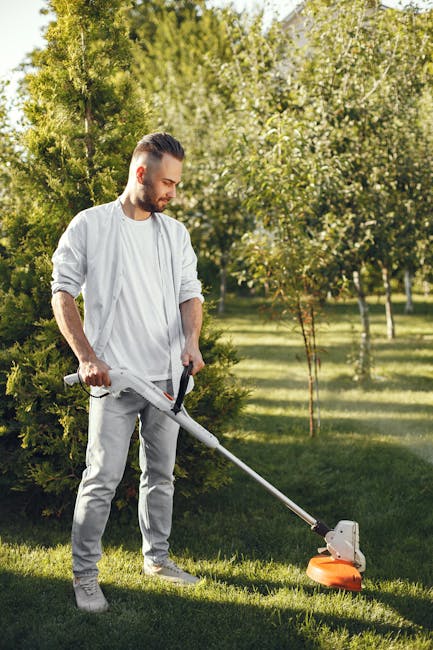
CR7 gardeners best lawn care for Croydon flats
If you live in a Croydon flat, you already know the truth: shared outdoor space can look either sharp and welcoming, or a bit sorry for itself, very quickly. The right approach to CR7 gardeners best lawn care for Croydon flats is not just about cutting grass. It is about keeping communal areas tidy, safe, usable, and decent-looking all year round, even when access is awkward and the weather does its usual London thing.
This guide breaks down how lawn care works for flats in Croydon, what good maintenance looks like, when to book help, and how to avoid the mistakes that make a small green space feel neglected. If you are a leaseholder, managing agent, landlord, or resident trying to keep things under control, you will find practical answers here. No fluff. Just the bits that actually matter.
Table of Contents
- Why CR7 gardeners best lawn care for Croydon flats Matters
- How CR7 gardeners best lawn care for Croydon flats Works
- Key Benefits and Practical Advantages
- Who This Is For and When It Makes Sense
- Step-by-Step Guidance
- Expert Tips for Better Results
- Common Mistakes to Avoid
- Tools, Resources and Recommendations
- Law, Compliance, Standards, or Best Practice
- Options, Methods, or Comparison Table
- Case Study or Real-World Example
- Practical Checklist
- Conclusion
- Frequently Asked Questions
Why CR7 gardeners best lawn care for Croydon flats Matters
Flat living changes the way lawn care works. You are not dealing with one back garden and one owner's preference. You are usually looking after a shared strip of grass, a courtyard edge, a small communal lawn, or a frontage that has to suit multiple people at once. That creates a few challenges straight away: different opinions, inconsistent usage, and the classic issue of "someone thought someone else would do it".
Good lawn care matters because a flat's outdoor area is often the first thing people notice. A neat lawn can make the whole property feel better maintained, even before anyone steps inside. And for residents, it changes day-to-day life too. A tidy communal lawn feels calmer, less cluttered, and much easier to enjoy on a dry afternoon with a coffee or a quick chat outside.
There is also a practical side. Overgrown grass can hide litter, encourage uneven wear, and make the area awkward to use. In some blocks, it can even become a small dispute point. The thing is, once a lawn starts looking tired, it rarely fixes itself. It needs a routine, not rescue.
For Croydon flats in particular, the mix of shared access, variable shade, and compact green space means the work has to be efficient and careful. That is where a specialist approach helps. A professional routine can keep the area looking consistent without overworking the grass or creating mess in communal walkways.
Expert summary: The best lawn care for flats is not the most dramatic one. It is the most consistent one. Short, regular maintenance beats occasional "big jobs" almost every time.
How CR7 gardeners best lawn care for Croydon flats Works
The basic process is simple, but the detail matters. Lawn care for flats usually starts with a quick assessment of the space: how big it is, how often it is used, what the grass is doing, and whether the job is straightforward mowing or something more involved. A good gardener will also check access, edging, waste removal, and any awkward corners that tend to be missed.
From there, the routine usually follows a pattern:
- Inspect the lawn area. Look for uneven patches, moss, bare spots, litter, hidden objects, and drainage issues.
- Clear the space. Move loose debris, leaves, and anything that might get caught in the mower.
- Mow at the right height. Not too short, not too long. Scalping a lawn can leave it weak and patchy.
- Edge and tidy. Clean borders make a surprisingly big difference, especially in small communal spaces.
- Collect and remove cuttings. This keeps paths clean and helps the area look finished rather than half-done.
- Check the result. A final walk-through catches the bits that were easy to miss the first time around.
For more involved grounds, lawn care may sit inside a broader maintenance plan alongside hedge trimming, clearance, and seasonal tidy-ups. If you are dealing with more than grass, a wider routine can be far more efficient. In fact, many flat complexes benefit from combining ongoing maintenance with occasional garden maintenance so the whole space feels looked after, not just the lawn.
The best setups are flexible. One month might mean light mowing and edging. Another might need a clearance first because leaves, weeds, and general debris have built up a bit too much. That is normal, especially around communal sites where foot traffic is uneven and nobody uses the space in exactly the same way.
Key Benefits and Practical Advantages
There are obvious visual benefits to keeping a flat's lawn in good shape, but the real value runs deeper. Done properly, lawn care improves how the whole property functions.
- Better appearance: A clean cut and crisp edges make even a small lawn feel more cared for.
- Safer access: Shorter, tidy grass reduces the chance of hidden debris and awkward footing.
- More usable space: Residents are more likely to use a lawn that looks maintained rather than abandoned.
- Lower long-term stress: Regular care prevents the grass from getting into a state that needs heavier work later on.
- Stronger first impressions: Visitors, tenants, and potential buyers notice the outside area before they notice the letterbox.
- Better coordination for shared sites: A set routine reduces disputes about who should do what and when.
There is also a subtle but important benefit: a maintained lawn sends a signal. It says the property is being looked after. That signal matters in flat developments, where people often judge the whole place on the condition of the shared areas. Fair or not, that is how people read a space.
And yes, a small lawn can still be a headache. Sometimes especially a small lawn. When the area is tiny, every missed edge stands out like a sore thumb. When it is communal, every inconsistency gets noticed by someone. So the advantage of a clean, repeatable routine is bigger than people expect.
Who This Is For and When It Makes Sense
This kind of lawn care is a good fit for several groups. If any of these sound familiar, you are probably in the right place.
- Residents in flats who want the shared outside space kept tidy without having to chase neighbours.
- Landlords who need reliable upkeep between tenancies or during longer lets.
- Managing agents who want a dependable routine for communal grounds.
- Leaseholders or residents' groups trying to keep standards consistent without turning it into a full-time job.
- Small block owners looking for a cost-effective way to protect the look and feel of the property.
It makes sense to book professional help when the lawn is no longer a quick Saturday job. That might be because access is awkward, the grass grows unevenly, or the site needs more than mowing. It also makes sense if the lawn is shared and nobody wants the awkward conversation about whose turn it is. Let's face it, that conversation never ends elegantly.
You may also want help if the area includes extra jobs around the lawn, like overgrown edges, stray branches, or a patch that has become cluttered after months of neglect. In those cases, a broader service such as garden clearance can be a better starting point than mowing alone.
Step-by-Step Guidance
If you are trying to improve a lawn for a Croydon flat, here is a practical way to approach it without overcomplicating things.
- Look at the space honestly. Ask whether the lawn is just untidy or genuinely neglected. There is a difference, and it changes the plan.
- Clear the obvious debris first. Remove litter, fallen branches, toys, leaves, and anything else sitting on the grass.
- Check access and safety. Make sure paths are clear and that the work can be carried out without disrupting residents.
- Mow in the right conditions. Avoid cutting grass when it is very wet or unevenly stressed. You will get a rougher finish, and the lawn can suffer.
- Use clean edges. Trim along borders, paths, and around fixed features so the result looks complete.
- Deal with clippings properly. Do not leave them piled up if the area is communal. That is a small detail that makes a big difference.
- Review the aftercare needs. If the lawn is patchy, shaded, or compacted, think beyond mowing. It may need a more structured maintenance plan.
If the space has broader landscaping issues, such as poor layout or tired planting around the lawn, it may be worth looking at landscape gardening or landscaping to bring the whole area into better balance.
A useful habit is to treat the lawn as part of the shared environment, not a separate job. Once you think in terms of paths, edges, waste, and access together, the quality lifts noticeably. Simple, but true.
Expert Tips for Better Results
In our experience, the best results come from a few habits repeated well. Nothing dramatic. Just the stuff that keeps a lawn from sliding backwards.
- Cut little and often: Regular light mowing is usually better than taking too much off in one go.
- Watch the edges: A lawn can look messy even when the centre is fine if the borders are ragged.
- Respect shade and drainage: Croydon blocks often have areas that dry unevenly or stay damp longer than others. Adjust accordingly.
- Keep a consistent schedule: Shared spaces look better when care happens on rhythm, not only when someone complains.
- Pair mowing with light tidying: A quick leaf sweep or path clear-up helps the lawn feel finished.
- Think seasonally: What works in spring may need a different approach in late summer or after leaf fall.
A small but useful tip: if residents keep walking across the same line of grass, that strip will thin out. You can mow it perfectly and it will still look tired. In that situation, the solution is not just cutting. It is about managing how the space is used. Sometimes the answer is as simple as rethinking access routes. Sometimes, honestly, it is just residents being residents.
If you want a routine that feels more organised and less ad hoc, it helps to look at broader services overview information so lawn care sits inside a proper maintenance plan rather than a one-off fix.
Common Mistakes to Avoid
Most problems with flat lawn care come from the same handful of mistakes. The good news is they are avoidable.
- Cutting too short: This weakens the lawn and can leave it patchy, especially in dry or shaded spots.
- Ignoring edges: Even a good mow looks unfinished if the perimeter is messy.
- Leaving debris behind: Grass clippings, leaves, and litter make communal areas feel untidy fast.
- Waiting too long between visits: Once grass gets too long, the job becomes heavier and the result less clean.
- Forgetting access and neighbours: Working in flats means you need to think about residents, not just the grass.
- Treating all areas the same: Sunny spots, shaded corners, and worn patches do not behave alike.
One very common issue is inconsistency. A lawn gets cut one week, then ignored for three more. The space never really settles into a neat rhythm. It just yo-yos between too long and too short. Not ideal.
Another one: assuming lawn care alone will solve a tired outdoor area. If there is clutter, broken layout, or overgrown screening, the lawn is only part of the picture. That is where maintenance, clearance, hedge work, and even tree-related attention may come into play. For heavier boundary or canopy issues, hedge trimming or tree lopping and removal can make the whole site feel lighter and easier to manage.
Tools, Resources and Recommendations
You do not need a huge toolkit to keep a flat lawn in decent shape, but the right equipment matters. For a straightforward job, a mower, edging tool, rake, and waste bags may be enough. For shared or more awkward spaces, the job often benefits from better access to professional gear and a process for waste removal.
Useful things to have in mind:
- Reliable mower access: The right machine for the size and condition of the lawn.
- Edging tools: Essential for neat borders around paths, beds, and walls.
- Leaf and debris removal gear: Especially useful in autumn or after storms.
- Protective equipment: Gloves, sturdy footwear, and eye protection where needed.
- Waste handling plan: Communal sites need clean disposal, not just cut grass piled in a corner.
For residents and landlords trying to organise ongoing work, a helpful starting point is a proper maintenance arrangement rather than isolated callouts. If the outdoor area is currently a bit overwhelmed, a one-off tidy-up followed by ongoing upkeep can be a much easier route than trying to fix everything in one afternoon.
It also helps to choose a provider that takes safety and process seriously. You can review practical policy pages such as health and safety policy, insurance and safety, and recycling and sustainability to understand how a professional service approaches the work. These things may not be glamorous, but they matter more than people think.
Law, Compliance, Standards, or Best Practice
For flats, lawn care is usually less about formal legal complexity and more about sensible property management. Still, there are important best-practice points worth following.
First, shared spaces should be maintained in a way that does not create avoidable hazards. That means keeping access routes clear during work, managing tools safely, and removing waste rather than leaving it for residents to step around. Second, if a block has communal arrangements, the responsibility for maintenance should be clearly understood. Vague expectations are where friction starts.
In the UK, property managers and landlords are generally expected to keep common areas reasonably maintained. The exact duties depend on the tenancy, lease, and property setup, so it is wise to check the relevant documents rather than guess. For residents, the main practical point is simple: if the lawn is a shared asset, it needs a shared plan.
Best practice also includes working considerately around neighbours. That can mean choosing suitable times, avoiding unnecessary disturbance, and keeping pathways usable. A quick job done carelessly is still a poor job. A quieter, cleaner, more organised job is what people notice in a good way.
If you want to understand the business side of arranging work, it is sensible to look at pricing and quotes, payment and security, and the relevant terms and conditions before making a decision. That is not being overly cautious. It is just tidy thinking.
Options, Methods, or Comparison Table
Not every flat needs the same level of care. The right method depends on the size of the lawn, how it is used, and how much attention the space needs between visits.
| Approach | Best for | Pros | Trade-offs |
|---|---|---|---|
| Light regular mowing | Small, tidy communal lawns | Fast, affordable, keeps the space neat | Does not solve deeper issues like patchiness or poor drainage |
| Full maintenance visit | Lawns needing mowing plus tidying | Better overall finish, edges and debris handled | Requires more time and coordination |
| Clearance first, then maintenance | Overgrown or neglected flat grounds | Resets the space properly | Usually more work upfront |
| Combined landscaping approach | Sites with layout or usability issues | Improves the look and function of the whole area | More planning involved |
For many Croydon flats, the best choice is not the cheapest one or the most ambitious one. It is the one that keeps the outdoor area usable without creating extra hassle. Simple answer, really.
Case Study or Real-World Example
Imagine a small flat block in Croydon with a communal lawn tucked between the building and a shared path. In early spring, the grass looks patchy but manageable. By late May, it has grown unevenly, weeds are creeping in at the edges, and a few residents have started cutting across the same worn section, making it look thinner each week.
The practical fix is not to attack it with a huge cut and call it done. A better approach is to clear the area first, mow at a sensible height, tidy the edges, remove clippings, and then look at what is actually causing the wear. In this kind of situation, a follow-up routine works best. If the lawn is shaded by nearby trees or boxed in by overgrowth, then trimming and clearance around it can make a bigger difference than another mower pass.
That is the pattern many flat sites follow. The first visit restores order. The next visits keep the order. And once residents see the outside area staying neat, they tend to treat it better too. Funny how that works.
Sometimes the win is not dramatic. It is just walking outside on a Monday morning and not having to think, "Oh dear, we really need to sort that." That feeling counts.
Practical Checklist
Use this checklist if you are planning lawn care for a Croydon flat or trying to judge whether the area is being maintained properly.
- Grass is cut to a sensible height, not scalped
- Edges along paths, walls, and borders are tidy
- Cuttings and loose debris are removed
- Access routes are left clear and safe
- The lawn is assessed for patchiness, shade, or drainage issues
- Shared areas are considered, not just the grass itself
- Work is done on a consistent schedule
- Any overgrowth nearby is dealt with where needed
- The overall space looks neat from the main entrance and the close-up view
- Residents are not left dealing with mess after the job
If a few of those boxes are not being ticked, that is usually a sign the maintenance routine needs tightening up. Nothing dramatic. Just more structure.
For a friendly introduction to the team and how the service is approached, you can also explore about us. And if you are ready to talk through what your flat or block actually needs, contact us is the sensible next step.
Conclusion
Good lawn care for Croydon flats is really about consistency, care, and doing the small things properly. When the grass is tidy, the edges are clean, and the shared space feels looked after, the whole property benefits. Residents notice it. Visitors notice it. Management notices it. To be fair, even the lawn seems to breathe easier.
If your flat block needs a steadier, more professional approach to outdoor upkeep, start with the basics: assess the space, clear it properly, mow at the right height, and keep the routine going. That is how a modest communal lawn stops being a hassle and starts being a proper asset.
Get a free quote today and see how much you can save.
And if you are comparing providers or planning longer-term upkeep, the details matter more than the pitch. Look for a service that understands shared access, respects the property, and leaves the place better than it found it. That is the standard worth aiming for.
Frequently Asked Questions
What does CR7 gardeners best lawn care for Croydon flats usually include?
It usually includes mowing, edging, clearing clippings, removing light debris, and checking the lawn's condition so the shared space stays neat and usable.
How often should a communal lawn at a flat be maintained?
That depends on growth, weather, and usage, but shared lawns usually work best on a regular schedule rather than occasional big clean-ups. Consistency makes the biggest difference.
Is lawn care for flats different from garden care for houses?
Yes. Flats often involve shared access, more foot traffic, and different expectations between residents. That means the work has to be tidy, considerate, and easy to coordinate.
What if the lawn is overgrown or full of debris?
In that case, a clearance-first approach is usually better than mowing alone. Once the space is reset, ongoing maintenance becomes much easier.
Can lawn care help make a flat look more valuable?
It can improve first impressions and make the whole property feel more cared for. It will not transform a building on its own, but it definitely helps the right way.
What is the biggest mistake people make with flat lawns?
Leaving them too long between visits. Once the grass gets out of hand, the job becomes heavier, the finish looks rougher, and the space quickly slips again.
Do I need hedge or tree work as well as lawn care?
Sometimes, yes. If nearby growth is shading the lawn, dropping debris, or making access awkward, hedge trimming or tree lopping may be part of the solution.
How do I know if a lawn is being cut too short?
If the grass looks pale, thin, or scalped after mowing, it may be cut too aggressively. A healthy lawn usually keeps a little body rather than being shaved down.
Should communal lawn care include waste removal?
Ideally, yes. Leaving clippings and debris behind makes the area look unfinished and can create extra mess for residents to deal with.
What should I ask before booking lawn care for a Croydon flat?
Ask what is included, how access is handled, whether waste is removed, and how often maintenance is recommended. It is also sensible to check the provider's insurance and service terms.
Can a one-off tidy-up be enough?
Sometimes it helps, especially if the space has just become untidy. But for shared outdoor areas, a one-off visit often works best as the start of a proper routine rather than the end of the story.
Where can I find more information about wider services?
You can review the broader services overview to see how lawn care fits into ongoing outdoor maintenance for flats and other shared spaces.